Tuesday, 8 December 2015
Initial Footage & Feedback
Feedback:
The initial viewing of our trailer went really well and we got some amazing feedback which was both helpful and eye opening. Our whole class watched the footage and gave us the following points to improve on;
- The trailer needed more of a dramatic ending as the final montage didn't drive home the intended fear factor we wanted to create.
- The build up to the crescendo needs to happen at a faster pace because the speed of the trailer didn't really pick up pace as fast as it should have and didn't create as much tension.
- The action shots need to be bunched up a bit more as they were too spaced out and didn't combine as well as they could have done, they also didn't emphasise the terror and fear factor enough.
- The ending of the trailer needed to be much more of a "sucker punch" as it was not driving home the narrative of the trailer enough.
One thing that all the viewers liked was the soundtrack that we put into place, they thought it fitted well with the clips and the sudden change in music worked really well.
After receiving the feedback both of us are definitely going to act on what was said, we both realise what we now have to do. We will improve the ending by shooting more footage and editing the trailer itself. We will do this because we want our trailer to be the best that it can be and we can see what needs to be done.

Risk Assessment

Script
Scene 1: the chase.
- Culkin is being chased by the demon, heavy breathing, running, panting.
- "What the hell is that?"
- Rustling in the trees, leaves rustling.
- "Hello who's there?"
- Demon appears suddenly, Culkin gasps and falls over trying to escape.
- Culkin's body lies still in the road, ravaged by the demon.

Scene 2; a new home.
-The family arrive at the new home, removal boxes in hands and full of excitement as they look for a new start, all characters are anticipating the looking round their new home. The scene opens with an establishing shot to set the scene followed by close-ups of each of the family members as they speak.
-Dad 1; "and here it is our new home"
-Summer sits down & has a look around the place.
-Summer; "I have a bad idea about this place"
-Dad 2: "put all the old stuff into the garage summer"
-Hands over a removal box to summer who turns and takes it out into the garage.
-Summer; "Okay dad will do"
-As Summer is putting the box away she notices an old tattered book on the floor of the garage and picks it up, curious about what it is. She opens the book and reads from the first page.
-Summer "Many will start few will finish, will you complete or will you diminish"
-Dad 2: "Summer!"
 -Summer suddenly jolts back to reality and flings the book to the side and goes back inside.
Scene 3; School.
Scene 4; The Haunting.
-Summer is getting ready in the bathroom when suddenly she hears loud banging sounds against the door, she goes out to check and there is no one there, suddenly all the utilities in the bathroom turn on and a scream resonates round the room.
-Summer; "Dad? is that you?"
-Summer: "Dad??"
-As the haunting unfolds Summer is clearly afraid for her life and has no clue what is happening.
Scene 5; A chat with friends.
-After experiencing the haunting Summer opens up to Freya and Lola about what has been happening.
-Summer: "I think something is haunting me, i don't know why but i think its the book"
-Lola: "What do you mean?"
-Summer: "I think it may have something to do with me reading the book"
-Freya: "Are you serious? what's been going on?"
-At this point Summer summarizes what has been going on; the haunting, the discovery of the book and the knife being found in her bag at school.
-Lola: "What are you going to do?"
-Summer: "We'll have to fight it somehow whatever it is"
-Freya: "But what are we fighting against?"
-Summer: "I don't know we'll have to research everything we can and hopefully it'll be enough"
-Lola: "We'll help whatever way we can!"
-Freya: "Definitely"

- Culkin is being chased by the demon, heavy breathing, running, panting.
- "What the hell is that?"
- Rustling in the trees, leaves rustling.
- "Hello who's there?"
- Demon appears suddenly, Culkin gasps and falls over trying to escape.
- Culkin's body lies still in the road, ravaged by the demon.

Scene 2; a new home.
-The family arrive at the new home, removal boxes in hands and full of excitement as they look for a new start, all characters are anticipating the looking round their new home. The scene opens with an establishing shot to set the scene followed by close-ups of each of the family members as they speak.
-Dad 1; "and here it is our new home"
-Summer sits down & has a look around the place.
-Summer; "I have a bad idea about this place"
-Dad 2: "put all the old stuff into the garage summer"
-Hands over a removal box to summer who turns and takes it out into the garage.
-Summer; "Okay dad will do"
-As Summer is putting the box away she notices an old tattered book on the floor of the garage and picks it up, curious about what it is. She opens the book and reads from the first page.
-Summer "Many will start few will finish, will you complete or will you diminish"
-Dad 2: "Summer!"
Scene 3; School.
Scene 4; The Haunting.
-Summer is getting ready in the bathroom when suddenly she hears loud banging sounds against the door, she goes out to check and there is no one there, suddenly all the utilities in the bathroom turn on and a scream resonates round the room.
-Summer; "Dad? is that you?"
-Summer: "Dad??"
-As the haunting unfolds Summer is clearly afraid for her life and has no clue what is happening.
Scene 5; A chat with friends.
-After experiencing the haunting Summer opens up to Freya and Lola about what has been happening.
-Summer: "I think something is haunting me, i don't know why but i think its the book"
-Lola: "What do you mean?"
-Summer: "I think it may have something to do with me reading the book"
-Freya: "Are you serious? what's been going on?"
-At this point Summer summarizes what has been going on; the haunting, the discovery of the book and the knife being found in her bag at school.
-Lola: "What are you going to do?"
-Summer: "We'll have to fight it somehow whatever it is"
-Freya: "But what are we fighting against?"
-Summer: "I don't know we'll have to research everything we can and hopefully it'll be enough"
-Lola: "We'll help whatever way we can!"
-Freya: "Definitely"

Thursday, 19 November 2015
Selection Process
Location;
The location of our horror film takes place in three different locations;

1) The first location is one of the film crews houses.
2) The second is the lane outside the house and the surrounding area.
3) The third a local school.
We chose to use the house in our filming because most of the scenes in the trailer focus around Summer being haunted inside her own house, it is also where the book is found and most of the action within the film happens. We also felt that the layout within the house allowed us to create the tense and terrifying atmosphere we desired. We had to make one minor change which was that the book was discovered in a garage rather than a base
ment due to the house we were shooting in not having one. Finally the house itself is situated in an area which has the perfect lighting at night to our horror films. All these elements combined perfectly and meant this was the perfect location for our film.
Additionally the area around the house itself has virtually no street lighting so it allowed us to cast the perfect shadows and create the terrifying chase scene we wanted. It fitted perfectly into our original idea of our location.
 Finally the some of our scenes take place inside our local school. We needed to have a location that fitted in with the narrative seeing as one of the victims in the film is Summer's teacher professor Culkin. We both thought our local school would suit our needs perfectly.
Stars;
To find our cast we held auditions to see who suited each role best. After the auditions we discussed who we should cast for the roles. I believe the people we chose to play our protagonist and the other main character fit the character descriptions we wanted and hopefully that pays off in the filming.
Props;
We used a variety of props during the making of our film;
1) Cardboard Boxes.
2) Book.
3) Kitchen Knife.
4) Fake Blood.
We needed to use props like these if our film shoot was going to be a success. The props helped us to create the drama and set the scene for our various clips. Without them it would not have been successful. We chose to use these particular props because we needed to create a number of things;
- We needed to replicate a newly moved into home which is why we used the cardboard removal boxes.
- As well as this we needed to find a book that fitted our sinister descripting and to set the basis for our film.
- The kitchen knife was used because our main protagonist Summer discovers a bloody knife in her bag in one of our scenes. Also the sinister connotations associated with a knife fitted in perfectly with our horror theme.
- Fake blood; fake blood was a key part of our film shooting, without it we would not have been able to film the gruesome and bloody scenes we needed and our initial footage would not look as good as it could do.
Costumes;
To fully create the characters needed for Lacerate we needed to make sure they had the correct costumes and makeup. For example Henry needed to be dressed up in a formal style to look like a teacher otherwise the footage would leave audiences confused about who was who. As well as this some of the characters go to school so obviously need to be wearing school uniform in the scenes they are in. The costumes played an important part in our filming because they allowed us to bring across the characters in the correct way.
Checklist;
Before filming could begin we had to make sure we ticked off the following things;
1) All camera equipment is fully functional and ready to film.
2) Spare batteries for all camera equipment and waterproof equipment in the case of bad weather.
3) All the casts costumes are ready and there are no changes in vital clothing.
4) Look at our notes and script to make sure we are shooting the right camera angles and the narrative done correctly.
5) All props and characters are in the correct position to film.
6) We are in the correct location for filming.
7) The cast know their lines.

The location of our horror film takes place in three different locations;

1) The first location is one of the film crews houses.
2) The second is the lane outside the house and the surrounding area.
3) The third a local school.
We chose to use the house in our filming because most of the scenes in the trailer focus around Summer being haunted inside her own house, it is also where the book is found and most of the action within the film happens. We also felt that the layout within the house allowed us to create the tense and terrifying atmosphere we desired. We had to make one minor change which was that the book was discovered in a garage rather than a base
ment due to the house we were shooting in not having one. Finally the house itself is situated in an area which has the perfect lighting at night to our horror films. All these elements combined perfectly and meant this was the perfect location for our film.
Additionally the area around the house itself has virtually no street lighting so it allowed us to cast the perfect shadows and create the terrifying chase scene we wanted. It fitted perfectly into our original idea of our location.
 Finally the some of our scenes take place inside our local school. We needed to have a location that fitted in with the narrative seeing as one of the victims in the film is Summer's teacher professor Culkin. We both thought our local school would suit our needs perfectly.
 Stars;
To find our cast we held auditions to see who suited each role best. After the auditions we discussed who we should cast for the roles. I believe the people we chose to play our protagonist and the other main character fit the character descriptions we wanted and hopefully that pays off in the filming.
Props;
We used a variety of props during the making of our film;
1) Cardboard Boxes.
2) Book.
3) Kitchen Knife.
4) Fake Blood.
We needed to use props like these if our film shoot was going to be a success. The props helped us to create the drama and set the scene for our various clips. Without them it would not have been successful. We chose to use these particular props because we needed to create a number of things;
- We needed to replicate a newly moved into home which is why we used the cardboard removal boxes.
- As well as this we needed to find a book that fitted our sinister descripting and to set the basis for our film.
- The kitchen knife was used because our main protagonist Summer discovers a bloody knife in her bag in one of our scenes. Also the sinister connotations associated with a knife fitted in perfectly with our horror theme.
- Fake blood; fake blood was a key part of our film shooting, without it we would not have been able to film the gruesome and bloody scenes we needed and our initial footage would not look as good as it could do.
Costumes;
To fully create the characters needed for Lacerate we needed to make sure they had the correct costumes and makeup. For example Henry needed to be dressed up in a formal style to look like a teacher otherwise the footage would leave audiences confused about who was who. As well as this some of the characters go to school so obviously need to be wearing school uniform in the scenes they are in. The costumes played an important part in our filming because they allowed us to bring across the characters in the correct way.
Checklist;
Before filming could begin we had to make sure we ticked off the following things;
1) All camera equipment is fully functional and ready to film.
2) Spare batteries for all camera equipment and waterproof equipment in the case of bad weather.
3) All the casts costumes are ready and there are no changes in vital clothing.
4) Look at our notes and script to make sure we are shooting the right camera angles and the narrative done correctly.
5) All props and characters are in the correct position to film.
6) We are in the correct location for filming.
7) The cast know their lines.

Wednesday, 4 November 2015
Audience Feedback Review
After receiving the audience feedback we have decided to take into consideration some of the comments and edit a few points within our narrative. For example we have decided to change some of the roles of the main characters within the plot and take away some of their importance so that they do not distract from the role of the main protagonist. As well as this we decided to alter the direction our narrative takes to create a more dramatic and tense ending.
Thursday, 22 October 2015
Tuesday, 20 October 2015
Film Exhibition
Film Exhibition; Theatrical
1) Exhibition is the retail branch of the film industry. Exhibition includes a films public screening, paying for customers in a site devoted to such screenings and the movie theatre.
2) It is the aim of the exhibitor to sell the experience of the film and concessions. Exhibitor's to some extent control how films are programmed, promoted and presented to the public. They hold considerable influence over the box-office and reception of films.
2) It is the aim of the exhibitor to sell the experience of the film and concessions. Exhibitor's to some extent control how films are programmed, promoted and presented to the public. They hold considerable influence over the box-office and reception of films.
Film Exhibition; Others

1) Cinema, TV, DVD & Online
- The shift to home viewing on portable devices has been the most significant development in non-theatrical film distribution. The introduction of new technologies such as satellite and cable television, videocassettes, DVDs and the Internet have helped to revolutionise this area.
- Home Exhibition has been a viable option for exhibitor's since the 1920s after the introduction of portable 16mm equipment.
- It was not the late 80's that the home became the major site for film exhibition, this trend was reinforced by the introduction of digital cinema and the Internet.
- The shift to home viewing on portable devices has been the most significant development in non-theatrical film distribution. The introduction of new technologies such as satellite and cable television, videocassettes, DVDs and the Internet have helped to revolutionise this area.
- Home Exhibition has been a viable option for exhibitor's since the 1920s after the introduction of portable 16mm equipment.
- It was not the late 80's that the home became the major site for film exhibition, this trend was reinforced by the introduction of digital cinema and the Internet.
The Early Days;
1) During the early years films were all silent and were usually shown with a live musical accompaniment.
2) Audiences could be quite noisy often reading the 'inter-titles' out loud.
3) 1927 heralded the arrival of fully synchronised sound.
4) By the 1930s 1/2 the population of Britain went to the cinema at least once a week.
5) 'B' pictures would run alongside the main film.
6) By 1939 there was 5500 cinemas in Britain.
7) 1946 cinema attendance in Britain was the highest ever.
2) Audiences could be quite noisy often reading the 'inter-titles' out loud.
3) 1927 heralded the arrival of fully synchronised sound.
4) By the 1930s 1/2 the population of Britain went to the cinema at least once a week.
5) 'B' pictures would run alongside the main film.
6) By 1939 there was 5500 cinemas in Britain.
7) 1946 cinema attendance in Britain was the highest ever.
 Television;
1) Only 15,000 Television sets in Britain in 1945.
2) By 1955 there were 5 million due to the introduction of commercial Television.
3) By 1961 11 million sets, cinema admission's had fallen by 75%.
2) By 1955 there were 5 million due to the introduction of commercial Television.
3) By 1961 11 million sets, cinema admission's had fallen by 75%.
Post war poverty;
1) Entertainment tax, prices went up, cinema numbers fell.
2) Money channelled into house-building, virtually no money left for cinema.
3) Slum clearances & rebuilding programmes reduced audience numbers.
4) 1947-48 US distributors boycotted Britain due to proposed import duties.
5) Cinema audiences never recovered.
2) Money channelled into house-building, virtually no money left for cinema.
3) Slum clearances & rebuilding programmes reduced audience numbers.
4) 1947-48 US distributors boycotted Britain due to proposed import duties.
5) Cinema audiences never recovered.
The 1980's;
1) Video hire in the 80s was a further blow, 1985 there were less than 1000 cinemas in Britain.
2) Rise of the 'multiplex' cinema in 1985;
- Out of town sites with easy access, huge choice of films with 8-12 screens.
3) Improvements in technology- Dolby surround sound, digital film, 3D.
- Higher proves justified by a better experience
- Better experience in relation to new forms of exhibition; computers, tablets, phones etc.
2) Rise of the 'multiplex' cinema in 1985;
- Out of town sites with easy access, huge choice of films with 8-12 screens.
3) Improvements in technology- Dolby surround sound, digital film, 3D.
- Higher proves justified by a better experience
- Better experience in relation to new forms of exhibition; computers, tablets, phones etc.

Monday, 19 October 2015

10 Key Steps in our Narrative
The 10 key scenes within our Film;
1) The family move into a new house and begin unpacking and making themselves at home.
2) Summer discovers the book in the basement of the new house when she is storing away empty removal boxes.
3) Summer opens the book and reads a line from the first page, the demon has unknowingly been released and appears behind her, then disappears at the sound of voices.
4) Once released the Demon hunts down and gruesomely murders professor Culkin. Body covered in what appear knife marks and strange writing.
5) Summer comes into school the next day and discovers her teacher has been killed, sees the photos of the body, a blood stained appears in her bag. Demonic text telling her to 'admit it' appear in her school books.
6) Summers behaviour seems suspicious thereafter and her friends begin to wonder if she has had something to do with it. Later that night the demon uses Summers night terrors to haunt her.
7) At home she finds the book and is scared by it, she tries to get rid of it but it appears mystically later on that night. She wakes up with 'admit it' 'you did it' carved into her skin.
8) Summer opens up to Freya & Lola about what has been happening and they all agree to find out more about the strange events. They research about the book and discover that it holds a demon and they learn how to destroy the book and the demon.
9) They read through the book, the demons power grows, the hauntings become more and more graphic as the demon plays on their greatest fears. They attempt to overcome the challenges and destroy the book once and for all.
10) The climax of the film, they finish the last page of the book and tackle the demon head on in a battle to destroy both it and the book. The demon unleashes its full powers and unleashes nightmarish dreams on the trio, transports each of them into a nightmare that they have to escape from. The film ends with Summer succumbing to the demons wishes, 'admitting' to the murder and being sent to prison having failed to destroy the book and the demon. Summer (now the demon) breaks out of prison and hunts down and kills Freya and Lola.
Which scenes will be used in our trailer?
Within our trailer we will be using key scenes; 1,2,3,4,8 & 10
We chose to use these scenes because we felt that they included the main action scenes and took the narrative in the right direction. These clips will capture the audiences attention and hopefully bring our trailer to life.
1) The family move into a new house and begin unpacking and making themselves at home.
2) Summer discovers the book in the basement of the new house when she is storing away empty removal boxes.
3) Summer opens the book and reads a line from the first page, the demon has unknowingly been released and appears behind her, then disappears at the sound of voices.
4) Once released the Demon hunts down and gruesomely murders professor Culkin. Body covered in what appear knife marks and strange writing.
5) Summer comes into school the next day and discovers her teacher has been killed, sees the photos of the body, a blood stained appears in her bag. Demonic text telling her to 'admit it' appear in her school books.
6) Summers behaviour seems suspicious thereafter and her friends begin to wonder if she has had something to do with it. Later that night the demon uses Summers night terrors to haunt her.
7) At home she finds the book and is scared by it, she tries to get rid of it but it appears mystically later on that night. She wakes up with 'admit it' 'you did it' carved into her skin.
8) Summer opens up to Freya & Lola about what has been happening and they all agree to find out more about the strange events. They research about the book and discover that it holds a demon and they learn how to destroy the book and the demon.
9) They read through the book, the demons power grows, the hauntings become more and more graphic as the demon plays on their greatest fears. They attempt to overcome the challenges and destroy the book once and for all.
10) The climax of the film, they finish the last page of the book and tackle the demon head on in a battle to destroy both it and the book. The demon unleashes its full powers and unleashes nightmarish dreams on the trio, transports each of them into a nightmare that they have to escape from. The film ends with Summer succumbing to the demons wishes, 'admitting' to the murder and being sent to prison having failed to destroy the book and the demon. Summer (now the demon) breaks out of prison and hunts down and kills Freya and Lola.
Which scenes will be used in our trailer?
Within our trailer we will be using key scenes; 1,2,3,4,8 & 10
We chose to use these scenes because we felt that they included the main action scenes and took the narrative in the right direction. These clips will capture the audiences attention and hopefully bring our trailer to life.
Monday, 12 October 2015
The Role and Purpose of Film Distribution
The Role and
Purpose of Film Distribution
Film
distribution is the process of making a movie available for viewing for an
audience. The task usually falls to a professional film distributor who
determines the marketing strategy for the film, the media platforms it will be
exhibited on and when the release date is etc. The film can be exhibited directly
to the public through cinema, television or home viewing including DVD &
Blu-Ray, download and social media.
 A film
distributor is responsible for the marketing of a film. The distributor sets
the releases dates and the method by which a film is to be exhibited or made
available for viewing. Distribution deals are one of the most important parts
of financing a film because without them the film cannot be shown to the
audience or put out on DVD etc.
A film
distributor is responsible for the marketing of a film. The distributor sets
the releases dates and the method by which a film is to be exhibited or made
available for viewing. Distribution deals are one of the most important parts
of financing a film because without them the film cannot be shown to the
audience or put out on DVD etc.
The role of
a film distributor is to ensure that as many people as possible go and see a
film and make sure that the film is well known internationally whilst also
providing audiences with access to the film. Every film has its own
distribution plan to ensure that the film is able to reach its target market.
The typical
release routine for a film is regulated by business models called “release
windows” this keeps different instances of a movie from competing with the
other. Allowing the films to take advantage of different markets at different
times. A movie is first released through cinemas (theatrical window), then,
after approximately 16 and a half weeks it is released to Blu-Ray and DVD
(entering its video window). After an additional number of months it is released
to Pay TV and VOD services and approximately two years after its theatrical
release date, it is made available for free-to-air TV.
Stages of
Film Production/Distribution;
1)
Producers, directors & screenwriters begin
planning the production.
2)
Production finances and crew are finalised &
the production of the film can begin.
3)
Filming starts in studios or on location, once
all the footage has been shot the editing stage can begin.
4)
Once production of the film has been finished,
distributors can begin work on the film’s release strategy.
5)
The distributors will then secure the screening
of the films within cinemas.
6)
The distributor then creates a buzz surrounding
the film’s release.
7)
The film along with the disk & classification
is delivered to the cinema a few days before the film’s release.
8)
The film then runs for the agreed number of
weeks, it may be extended if the film is in high demand.
Film works
are intellectual properties & belong to the people/organisations that fund
them. Intellectual properties ensure that the film’s creators receive a fair
return for their investment. The film’s creators are then able to license the
distributors to bring the film to the market.

Sunday, 11 October 2015
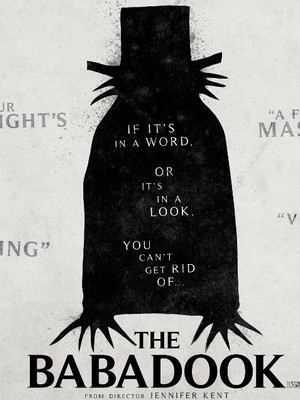
The Babadook
Media Language/Mise en Scene;
§
Dark & sinister music combined with a
lighter tone at the beginning of the trailer juxtaposes the ominous nature of
the horror genre alongside the happiness symbolised by the equilibrium.
§
Use of a darker filter helps to create the
disturbing and disconcerting atmosphere which we usually associate with the
horror genre.
§
The mysterious discovery of the book makes the
audience doubt themselves andputs them on edge as we wonder how it actually
appeared.
§
The ‘monster under the bed’ classic horror film
idea helps to identify with horror fans and reintroduce ‘old school horror’
§
The connotations of purity and innocence
associated with the child create sympathy with audience, relates to common
experiences all children have- being afraid of monsters.
§
The child in the trailer is a countertype to
this representation however as he is shown to be creating his own weapons to
fight the Babadook, contrasting the stereotypical view of children with this
darker nature.
§
Lots of shots involve lots of zooming to focus
the audience's attention and to add continuity
§
Constant flashing back to the book creates
tension and continuity- juxtaposes the original connotations of a bedtime story
(happiness, safety, relaxation) with the horrific events that follow.
§
The Darkness in the trailer creates a fear of
the unknown- the 'Babadook' is never seen, but the door movement’s let the
audience know it is there.
§
Policeman- symbolises protection and safety on a
human level.
§
The “knock-knock-knock” to symbolise the
presence of the Babadook, lets us know something bad is going to happen.
§
Cockroaches’ coming out of crack in wall,
associated with the dead, fits in with the codes and conventions of the horror
genre.
§
Grieving- the theme of death is prominent
throughout the trailer due to the death of the father, helps to drive home the
horrific effects of the horror genre.
§
Old lady "he sees things as they are"-
the elderly are stereo-typically wise, in horror films they are often used as a
narrative tool to push the plot forward- here she is promoting the idea that
the Babadook is real and that the child is more knowledgeable than the adults.
§
The appearance of black clouds over the house
reinforces the suspense and tension as we know something bad is going to
happen.
Narrative;
o
The narrative is based around a widow whose
husband died on the same day her son was born; she struggles to maintain a
strong relationship with her child and feels she is not doing her job as a mum
properly.
o
Her son begins to have dreams about a monster
who plans to kill them both, he constructs weapons to defend himself against it
and his fragile mother.
o
The trailer begins with the child discovering a
book called “Mr Babadook”, strange occurrences begin to happen and the story
begins.
Institution;
·
Produced by Entertainment One, Screen Australia
and Causeway Films.
·
Alongside; South Australian Film Corporation and
Smoking Gun Productions.
·
Written and directed by Jennifer Kent.
·
Distributed by Cinetic Movies, eOne Films
International and IFC Films.
Genre;
 The trailer has elements of more than 1 genre;
1)
Horror- dark, sinister location, the hauntings,
the melancholic musical accompaniment and the murkier and shocking scenes shown
in the trailer. Appeals to fans of traditional horror as it delivers the
tension and terror they crave.
2)
Mystery- The mother must figure out the true character
of the Babadook and find out whether or not it truly exists or is just a
figment of her imagination. This would intrigue the audience as they would also
want to find out what the Babadook looks like etc.
3)
Action- The crafting of weapons, fight scenes;
the mother hunting down her child, the battles with the Babadook. Action appeals to all target audiences as it
keeps them entertained and adds to the drama and tension.
Representation;
1)
Women- seen as fragile, weak and the victim
(mother is possessed by the Babadook) Towards the end shown as violent and crazed
when the mother is possessed and hunts down her son, however she is shown to be
courageous when she finally confronts the Babadook.
2)
Males- shown as wealthy, smart and professional-
doctor, school psychiatrist and co-worker, know what they are doing. However
they are shown as ignorant as they do not know about the Babadook and do not
believe in ‘spooks’
3)
Children- shown as misunderstood, also as the
victim- the child is clearly also weak and vulnerable- however he builds
weapons to fight the Babadook which is breaking the stereotype usually
associated with children. Overall shown in the traditional way.
Ideologies/Media Values;
v
During the trailer the mother is shown as the
protector (cradling her son, reading him stories, caring about his education)
which breaks the traditional stereotype of a nuclear family, she is having to
manage without her husband and take over the roles traditionally associated with
the male sex. However her failure to defend herself against the Babadook hails
her as more of a failed protector.
v
The child is represented very negatively- he has
'significant behavioural problems', has nightmares and is seen to be destroying
both his mother’s sanity and her happiness. He is shown as weak and ‘clingy’ to
his mother throughout the trailer and is portrayed as having to rely on others
to get by.
v
The elderly are shown as knowledgeable, wise,
kind and caring, the old woman in the trailer is portrayed as kind and innocent
as she offers her help to the family and looks after the child for the mother.
Audience;
§
Primarily for people over 18, the dark theme and
the horror shown in the trailer are targeting a more mature audience and true
fans of the horror genre.
§
Suitable for any group in society other than
children as they should not be exposed to scenes that are shown within the
trailer.

Tuesday, 6 October 2015
Film Pitch
This is our film pitch for Lacerate. In it we describe the main characters, plot, budget and narrative of our film as well as other key topics. We both felt that the PowerPoint went well and was a success however there were some improvements that could be made, such as; I could have been cooler under pressure and not moved around so much as this made the pitch look unprofessional. As well as this we had to do a few retakes as we often forgot out lines mid scene and had to shoot again from scratch. One final improvement would have been to keep to the steps that I previously posted on blog as we did not follow these and ended up having to read our lines off sheets of paper.
Tuesday, 29 September 2015
Monday, 28 September 2015
The Conjuring Semiotic Analysis
Media Language/Mise en Scene;
 - Dominant colours; Black, grey, brown, gloomy/darker prime colours, connotes the dark sinister theme of the horror genre.
- Trailer opens with an old flickering film footage, childs laughter connotes innocence juxtaposes the conventions of the horror genre.
- Montage of shots showing the house.
- Family photos appear on screen denotes happiness & innocence compared to the darker themes later in the trailer.
- Different shots showing past horror stories.
- Rapid editing, increases tension throughout.
- Rich, sumptuous, grand old style American house, high quality furniture, oaken floors etc.
- Increasing POV shots, make it up close & personal, narrows the viewers vision and limits what they can see and increases the tension.
- Iconic features; grandfather clock, creaky floorboards, slamming doors etc, spirit scarring the victims.
- Priest- symbol of faith, father figure, good vs evil.
- Crows; symbols of death, foreboding.
- The sound at the beginning of the trailer starts off happy and upbeat which juxtaposes the melancholic and sinister music which comes near the climax of the trailer
Institution;
- Warner Bros; flashes & flickers onto the screen.
- New Line Cinema Logo also does the same, adds to the eery beginning to the film.
- Hollywood film based in the American Southern States.
- Director James Wan, director of Saw and Insidious.
- Lesser known director who has done a couple of famous horror films, has experience in the genre.
- Cast names not mentioned as they are not well known and are not going to attract a large audience.
 Genre;
- Demonstrates several conventions of;
- Horror; evil spirits, the haunting, appearance of hanging bodies, exorcism, paranormal investigators, dark atmosphere, chilling music.
- Action; Girl flying into the window, Lorraine falling through the floor, gunshots, fight scenes.
- Thriller; Quest for closure, spirit hunting down the family, possession.
Representation;
- Men; dominant, powerful, leaders, protecting others over themselves, male hero. One example is Ed Warren protecting his wife "I can't lose you" putting himself in danger for her.
- Female; females in the family presented as weak, vulnerable, over reliant on the investigators whilst Lorraine Warren breaks the stereotypes and is authoritative, joint leader, female hero and takes responsibility when things go wrong.
- Catholic Church; the priest is shown to be a father figure, responsible, problem solver, offer guidance and advice.
Audience;
- Hollywood film, hybridized likely to have a mainstream appeal.
- Appeals to horror fans; possession, haunting, danger, tension etc.
- Special effects; breaking windows, smashing paintings etc.
- Trailer promises viewers that by watching the film they will be uncovering a previously hidden case which is so horrific it has had to wait until now.
Ideologies/Media Values;
- Portrays men as leaders/protectors , they are the dominant characters, shown as the people who solve the problems. Given generous amounts of screen time in the trailer.
- The male as the protectors; Ed placing himself in front of Lorraine shielding her from danger.
- The representation of women is ultimately positive throughout the course of the trailer, Lorraine Warren is given generous screen time throughout . She takes an active and commanding role. However the mother is seen as vulnerable and weak as it is she who ends up getting possessed and cannot handle the situation.
- Catholic Church; makes a brief appearance in the trailer but is shown as a powerful, divine force that is capable of solving extremely dangerous spiritual phenomena. The church is the force that the investigators turn to in their time of need for guidance and advice.
Narrative;
- Classical Hollywood Narrative structure, 2 main protagonists involved in a fight to save a family from a darker power, discovering numerous obstacles on the way.
- The narrative is driven by the need to act decisively against the spirit before it does further substantial harm to the family.

 - Dominant colours; Black, grey, brown, gloomy/darker prime colours, connotes the dark sinister theme of the horror genre.
- Trailer opens with an old flickering film footage, childs laughter connotes innocence juxtaposes the conventions of the horror genre.
- Montage of shots showing the house.
- Family photos appear on screen denotes happiness & innocence compared to the darker themes later in the trailer.
- Different shots showing past horror stories.
- Rapid editing, increases tension throughout.
- Rich, sumptuous, grand old style American house, high quality furniture, oaken floors etc.
- Increasing POV shots, make it up close & personal, narrows the viewers vision and limits what they can see and increases the tension.
- Iconic features; grandfather clock, creaky floorboards, slamming doors etc, spirit scarring the victims.
- Priest- symbol of faith, father figure, good vs evil.
- Crows; symbols of death, foreboding.
- The sound at the beginning of the trailer starts off happy and upbeat which juxtaposes the melancholic and sinister music which comes near the climax of the trailer
Institution;
- Warner Bros; flashes & flickers onto the screen.
- New Line Cinema Logo also does the same, adds to the eery beginning to the film.
- Hollywood film based in the American Southern States.
- Director James Wan, director of Saw and Insidious.
- Lesser known director who has done a couple of famous horror films, has experience in the genre.
- Cast names not mentioned as they are not well known and are not going to attract a large audience.
 Genre;
- Demonstrates several conventions of;
- Horror; evil spirits, the haunting, appearance of hanging bodies, exorcism, paranormal investigators, dark atmosphere, chilling music.
- Action; Girl flying into the window, Lorraine falling through the floor, gunshots, fight scenes.
- Thriller; Quest for closure, spirit hunting down the family, possession.
Representation;
- Men; dominant, powerful, leaders, protecting others over themselves, male hero. One example is Ed Warren protecting his wife "I can't lose you" putting himself in danger for her.
- Female; females in the family presented as weak, vulnerable, over reliant on the investigators whilst Lorraine Warren breaks the stereotypes and is authoritative, joint leader, female hero and takes responsibility when things go wrong.
- Catholic Church; the priest is shown to be a father figure, responsible, problem solver, offer guidance and advice.
Audience;
- Hollywood film, hybridized likely to have a mainstream appeal.
- Appeals to horror fans; possession, haunting, danger, tension etc.
- Special effects; breaking windows, smashing paintings etc.
- Trailer promises viewers that by watching the film they will be uncovering a previously hidden case which is so horrific it has had to wait until now.
Ideologies/Media Values;
- Portrays men as leaders/protectors , they are the dominant characters, shown as the people who solve the problems. Given generous amounts of screen time in the trailer.
- The male as the protectors; Ed placing himself in front of Lorraine shielding her from danger.
- The representation of women is ultimately positive throughout the course of the trailer, Lorraine Warren is given generous screen time throughout . She takes an active and commanding role. However the mother is seen as vulnerable and weak as it is she who ends up getting possessed and cannot handle the situation.
- Catholic Church; makes a brief appearance in the trailer but is shown as a powerful, divine force that is capable of solving extremely dangerous spiritual phenomena. The church is the force that the investigators turn to in their time of need for guidance and advice.
Narrative;
- Classical Hollywood Narrative structure, 2 main protagonists involved in a fight to save a family from a darker power, discovering numerous obstacles on the way.
- The narrative is driven by the need to act decisively against the spirit before it does further substantial harm to the family.

Sunday, 27 September 2015
Conjuring Trailer
Did the distributors highlight the key points you mentioned;
1) True Story;
-This feature was mentioned in the trailer, after the opening scene the distributors used a new clip to show "based on the true story of the Warrens" it immediately creates a link with the USP about the events that occurred in real life.
-Characters introduce themselves as "just Ed and Lorraine Warren" reinforces the personal side, drives home the narrative and the true story effect.
-Recounts their past cases "out of the 1000's they investigated there is one so disturbing they kept it locked away" again reminds us of the fact that this happened in real life, links in with the shocking of the viewers and intrigues them. How could something so horrific and shocking happen in real life.
-"until now" makes it sound exclusive and secretive. The audience are seeing something that has never been seen before.
2)Happy Ending;
-Does not feature in the trailer.
-Instead of showing a happy ending we are shown a live exorcism, violence & psychological horror.
-Showing a happy ending in the trailer would lessen the effect of the trailer and would seem out of place.
-By not showing it in the trailer the distributors can use it as a twist to surprise the audiences when they actually go and see the film, makes it unique.
The Avengers
Did the distributors highlight the key features that you mentioned?
1) Combination of popular superheros combined in one;
- During the opening clip we are immediately shown all the comic hero's we love fighting against evil together as a team. This combination marks the film as unique as no film has ever done this before. The distributors have done this because it immediately informs the audience that this film is different and is setting a new precedent for superhero films and it is something well worth seeing.
2) Link to other popular superhero TV shows;
- During the opening clip we are immediately shown all the comic hero's we love fighting against evil together as a team. This combination marks the film as unique as no film has ever done this before. The distributors have done this because it immediately informs the audience that this film is different and is setting a new precedent for superhero films and it is something well worth seeing.
2) Link to other popular superhero TV shows;
- After we are hit by the action packed opener we are shown links to other Marvel franchises such as the director of S.H.E.I.L.D Nick Fury (Samuel L. Jackson) and the characters that appear in that particular TV show. The distributors have done this because they can now attract fans of not only the comic book series but also fans of other spin offs who will be interested in seeing their favourite characters appear in the film. This means Marvel can attract a wider target audience and increase the hype about their film whilst also collecting extra revenue.

Shifty Trailer
Did the distributors highlight the key features you mentioned?
1) Social Realism;
- This USP was highlighted throughout the course of the trailer,with the action and drama taking place within the suburbia of London. This places the viewer right into the middle of urban life and portrays what life is like in run down areas such as this.
-During the trailer we are shown a variety of social problems in the urban environment including; drugs, crime, betrayal and sex. While also showing us the themes of loyalty and friendship. This all helps to promote the theme of social realism because it shows us the audience exactly what like is like and makes us empathize with the characters within the film.
- This USP was highlighted throughout the course of the trailer,with the action and drama taking place within the suburbia of London. This places the viewer right into the middle of urban life and portrays what life is like in run down areas such as this.
-During the trailer we are shown a variety of social problems in the urban environment including; drugs, crime, betrayal and sex. While also showing us the themes of loyalty and friendship. This all helps to promote the theme of social realism because it shows us the audience exactly what like is like and makes us empathize with the characters within the film.

Sunday, 20 September 2015
Film Pitching Research
How to make a good film pitch;
1) Make it interesting, don't be afraid to try sometime unusual that will surprise the producers and make you stand out. Miranda July acted out the story for her film using finger puppets, it was bizarre but got her the deal.
2) Grab the producers attention and immediately let people know exactly what sort of world the film exists in from the characters to the main thrust of the plot. Producers often complain of pitches being too long (more than an hour) make it sharp and punchy.
3) Master the 60 second pitch, major production companies are often too busy to see everyone in detail, if you can't get a proper meeting then its useful to master the minute pitch and make sure you hit the producers with key info that will make them want to buy your script.
4) Show emotion; provide the buyer with a positive emotional experience and convince them that when your movie is made your story will create a strong emotional experience for the people buying the tickets, books and DVDs.
5) Review your story, determine the key, most powerful elements. This will help convey its emotional power and commercial potential. The story should include;
- A protagonist/hero.
- The hero's desire to fulfill his goals.
- Conflict, the seemingly insurmountable obstacles the hero faces.
- Antecedents, previously successful films that will convince the buyer there is a market for your story.
6) Prepare a script of exactly what you're going to say, include key elements.
7) Rehearse, practice your pitch, rewrite it and practice some more. You must know your script so well that it becomes natural and conversational, this helps you prepare for any questions.
8) Research your target market, compile a list of specific buyers, agents, editors and producers you will pursue.
9) Establishing a rapport with your buyers will create a connection and make them more likely to do business.
9) End on a definitive note, the buyers will have to read your script at the end so it is best to end authoritatively ie; "so, do you have any questions about the story or would you like me to send you a copy?"
10) Respond to the buyers comments, questions and requests and make sure you answer quickly and don't waffle on.
Examples of successful film pitches; The Kick starter Scheme.
Blue like Jazz;
- 2003 Donald Miller came up a memoir that focused on forgiveness, honesty and growing up.
-2009 it was developed into a movie.
- Crew was hired and a film made. Initial budget was around $345,992.
-2010 Donald Miller announced that the film was indefinitely postponed due to lack of funding.
-Fans of the book came together under the kick starter Scheme and donated the money needed to fund the film with production set to be restarted in 6 months.
Friday, 18 September 2015
The 7 Codes to Semiotic Analysis of Trailers
Representation
The constructed and mediated presentation of people things ideas places
The process by which the media presents the real world
Constructs meanings about the world picture television programme newspapers
Stereotypes
-Widely circulated ideas or assumptions about particular groups
-Focus on certain characteristics of the group and assumes these to be shared across all group members
-Inherent within stereotypes is a judgement on this characteristic
Genre
-Classifying a media text to tell us something about it
Media values & Ideology's
-Values suggest moral and cultural ideas behind the way people live
Ideology is a set of beliefs and attitudes about how society s organised and arise from economic and political divisions in society.
Media language
-How communicated i.e. camera angles mise on scene
Media Institutions
-An established media organisation which produces and distributes media products
Media Audience
-Any group of people who receive a media text.
-Target audience- what the media product is aimed at.
Narrative
-Media term for story telling
-The way different elements in a story are organised to make a meaningful story
Thursday, 17 September 2015


Subscribe to:
Comments (Atom)