Marketing;
New Line Cinema released a number of different trailers promoting the conjuring months before the film was shown in cinemas. The first of these was shown at the New York Comic Con in 2012. This allowed the general public to see what the film was about and decide whether or not it was seeing. Each trailer was tailored specifically for the horror genre and aimed to capture the attention of hard-core horror fans.
The films 15 rating meant that a number of different trailers were produced to suit that particular age group. For example the more graphic and horrifying trailers were only shown in cinemas before a film of similar rating while TV trailers were released with less graphical content and less scary scenes as anyone of any age group could see them.
Trailers were also released onto YouTube on movie channels and as adverts, these were not censored however as they aimed to reach a wider target audience. This did cause some concern among parents who were worried about what their children were being exposed to.
Trailers are an easy way to promote a film as they can be found and watched on almost any device. Each of the trailers also featured a release date at either the beginning or the end of the trailer, this let people know when the film was being released so that they could go and see it. The more media platforms a trailer is released onto the more likely it is to be seen by a larger target audience which interests more people and ultimately increases revenue for New Line Cinema.
Interviews and behind the scenes footage was released onto sites such as; YouTube, Twitch and Twitter. This increased the hype around the film and caught the eye of viewers making them interested in the film and more likely to go and see it.
As the films release date drew closer, New Line Cinema began to publish pictures of the real life Perron Family within their trailers and TV spots. This helped to shock viewers as it strengthened the dark atmosphere surrounding the film and justified it's place in the horror genre. It did this because it drove home "based in a true story" USP that featured so heavily throughout the whole marketing campaign. By being based on a real life experience rationalised the film and made viewers wonder whether paranormal occurrences were real, thus playing on their minds and keeping the film in their head making it more likely that they would go and see the film.
The trailers and adverts on TV were followed by a featurette called "The Devils Hour" in which the Warrens and other paranormal investigators explained some of the supernatural occurrences that appear in the movie. Catching the audiences attention and inciting their interest to go and see the movie.
Social media played a key part in the marketing of the Conjuring. Facebook and Twitter accounts were set up publicizing the film. Users of the sites could tweet pictures and interviews with the cast to update fans on the film, link to the page via the # and post posters and feedback from audiences whilst expressing their own opinions. This helped the film reach out to a much wider audience base and market their film more effectively.
An official website was set up to give audiences as much information about the film as possible and the family it was based on. Both the social media sites were mentioned on the website as producers tried to create as much hype about the film as possible. Promotional packages, merchandise and other exclusives were also featured, this again fuelled the interest in the film and caught the attention of audiences.
http://wwws.warnerbros.co.uk/theconjuring/
A wide range of posters was also released promoting the film, these helped to advertise the film and make sure it was noticed by people. The posters were designed in a way that kept with the traditional horror conventions; dark, gloomy and sinister. This helped highlight the films place in the horror genre and informed the public when the film was coming out.
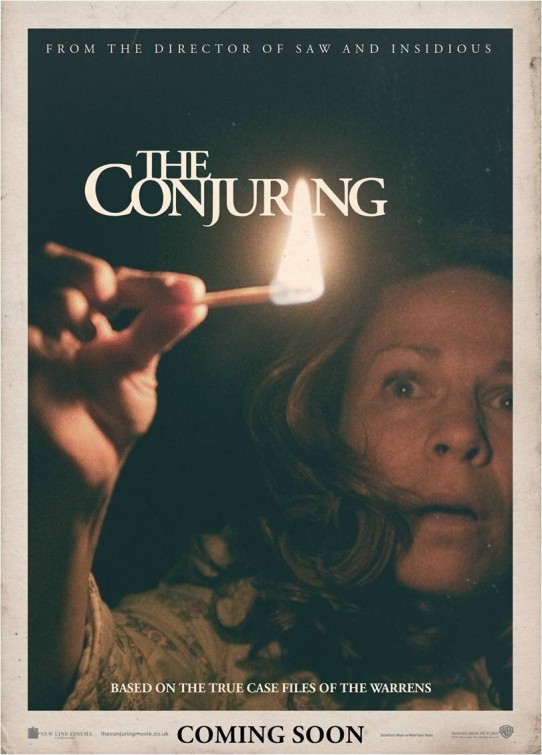


http://wwws.warnerbros.co.uk/theconjuring/
A wide range of posters was also released promoting the film, these helped to advertise the film and make sure it was noticed by people. The posters were designed in a way that kept with the traditional horror conventions; dark, gloomy and sinister. This helped highlight the films place in the horror genre and informed the public when the film was coming out.

No comments:
Post a Comment